Discover the Benefits of Purchasing at a Meat Market: Quality and Quality Explained
Buying at a meat market provides unique benefits, specifically relating to quality and quality. Regional sourcing plays a necessary role in ensuring that meat keeps its vitamins and nutrients. Furthermore, comprehending meat grading allows consumers to make educated choices about cuts. In addition, well-informed butchers offer important insights tailored to private choices. These elements incorporated produce an engaging instance for selecting meat markets over standard grocery shops. Yet, there is even more to discover concerning the total experience they supply
The Quality Element: Why Local Sourcing Matters
Customers frequently look for benefit in their buying habits, the advantages of regional sourcing at meat markets can not be overstated. Neighborhood meat markets normally supply fresher products compared to large grocery stores, as the meat is frequently sourced from nearby farms. This proximity minimizes transportation time, leading to much less time from farm to table. The quality of locally sourced meat not only enhances taste but additionally supports better nourishment, as the meat keeps a lot more vitamins and nutrients.
In addition, regional sourcing promotes a more detailed partnership in between customers and manufacturers, advertising transparency in the food supply chain. Shoppers can ask concerning the farming methods, animal well-being, and processing methods utilized by neighborhood vendors. This link usually leads to a higher sense of trust fund in the quality of the meat. Eventually, selecting regional meat markets enables consumers to delight in fresher items while sustaining their community's economic climate and lasting techniques.
Quality Cuts: Understanding Meat Grades and Choice
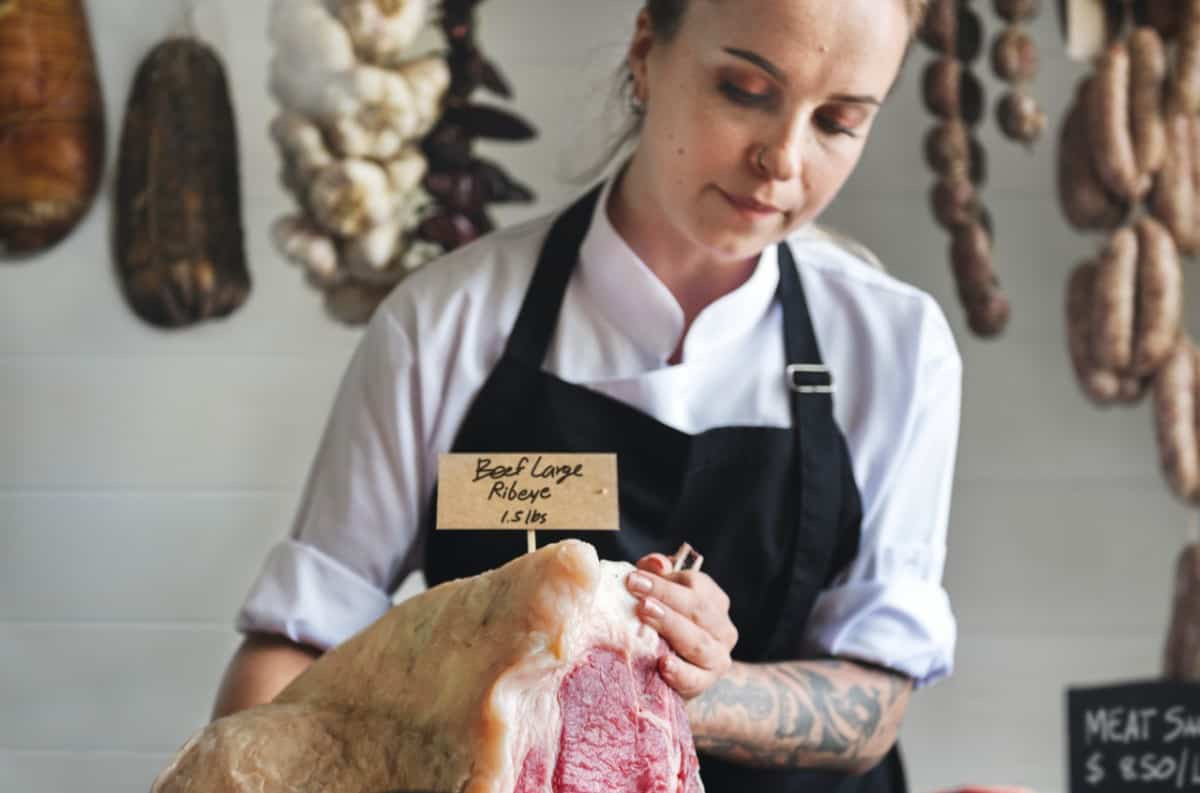

When choosing meat, customers should additionally take into consideration the cut kind-- ranging from tender cuts like filet mignon to tougher cuts like brisket, which may need slow food preparation methods. In enhancement to grading, freshness plays a significant role. A respectable meat market frequently gives in-depth details about sourcing and taking care of practices, making it possible for consumers to pick cuts that line up with their choices. By comprehending these aspects, buyers can confidently pick high-quality meats that improve their cooking experiences.
Personalized Service: Structure Relationships With Butchers
Building a connection with butchers can substantially enhance the shopping experience at a meat market. They profit from individualized service that extends beyond simple deals when clients establish a relationship with their butcher. Experienced butchers want to share understandings regarding cuts, food preparation methods, and prep work approaches tailored to individual preferences.
This connection allows consumers to get recommendations for certain cuts based upon their needs, whether Full Report for a day-to-day meal or a click here to find out more special occasion. Furthermore, a familiar butcher is most likely to remember previous acquisitions and choices, making future sees more reliable and enjoyable.

Range and Specialized: Discovering Distinct Meat Options

In addition, clients may experience unique local selections, such as heritage types and specialty fowl, which offer distinct flavors and structures. Some meat markets also offer custom cuts tailored to cooking techniques or details recipes, enhancing the overall buying experience. The knowledgeable butchers frequently share dishes and cooking pointers, further raising the worth of the unique offerings. Generally, the range located in meat markets not only broadens culinary horizons however likewise presents consumers to top notch, fresh items that can boost any dish.
Supporting Neighborhood Economic Situations: The Neighborhood Influence of Meat Markets
Meat markets play a necessary duty in supporting local economic climates by promoting partnerships between customers and local manufacturers. They work as considerable centers that connect neighborhood farmers and ranchers with neighborhood participants, making sure that cash distributes within the location. This technique not just reinforces the neighborhood farming market but additionally advertises sustainable farming methods, as customers become much more mindful of where their food originates.
Furthermore, meat markets usually prioritize sourcing from regional suppliers, which decreases transport prices and environmental impact (bagley's meat market). This focus on regional items creates have a peek at these guys jobs within the neighborhood, from farming to retail, adding to general financial security. By buying from these markets, consumers help maintain tiny businesses, which are fundamental for the vibrancy of regional economies. Ultimately, shopping at meat markets sustains a healthy and balanced environment that profits both consumers and manufacturers, cultivating a sense of neighborhood while boosting the regional economic climate
Regularly Asked Questions
What Are the Normal Hours of Procedure for Meat Markets?
Regular hours of operation for meat markets differ, however the majority of open between 7 AM and 9 AM, closing around 6 PM to 8 PM. Some may have prolonged hours on weekends or unique holiday routines.
Do Meat Markets Offer Delivery or Online Buying Options?
Several meat markets do provide shipment and online purchasing choices, though availability may vary by place. Consumers need to inspect specific market web sites or contact them directly to verify specific services and plans supplied.
Just How Can I Find a Neighborhood Meat Market in My Location?
To find a neighborhood meat market, one can utilize on-line online search engine, check local directory sites, or ask area members for referrals. Seeing farmers' markets may also lead to uncovering neighboring meat vendors.
Exist Any Type Of Subscription or Commitment Programs Offered for Constant Buyers?
Several neighborhood meat markets use subscription or loyalty programs to frequent customers - meat market delivery. These programs typically offer price cuts, exclusive offers, and unique promotions, encouraging customers to return while boosting their buying experience and promoting area links
What Settlement Techniques Are Accepted at Meat Markets?
The majority of meat markets accept different payment techniques, including cash money, credit history cards, and debit cards. Some might likewise offer mobile settlement alternatives, making sure convenience for customers while suiting varied preferences for transactions during their purchasing experiences.
Local meat markets commonly supply fresher products compared to large grocery stores, as the meat is usually sourced from close-by farms. Understanding meat grades and option is crucial for customers looking to make enlightened choices at meat markets. Meat grading systems, such as those developed by the USDA, classify meat based on variables like shade, marbling, and maturity. What distinct meat choices can one uncover at a meat market? To find a local meat market, one can use online search engines, inspect neighborhood directories, or ask neighborhood members for suggestions.